
Shedding Light on Interior Design: The Influence of Lighting
In the realm of interior design, where creativity intertwines with practicality, lighting stands as an unsung hero that can transform the entire ambiance of a space. Often overlooked, lighting holds the power to shape moods, highlight key design elements, and elevate the functionality of a room.
Illuminating the Importance of Lighting
Embracing Functionality and Aesthetics
Lighting in interior design plays a dual role, marrying functionality with aesthetics to create a harmonious living environment. Proper lighting not only brightens up a room but also enhances its functionality by enabling tasks to be performed efficiently. Whether it's the warm glow of a bedside lamp for bedtime reading or the focused beam of a pendant light illuminating a kitchen island, each lighting fixture serves a purpose beyond mere illumination.
Setting the Mood
Just as a painter selects the perfect shades to evoke specific emotions in a painting, interior designers use lighting to set the mood of a space. Whether it's a bright and vibrant setting for a lively gathering or a soft, dimly lit room for unwinding after a long day, the intensity, color temperature, and placement of lights can significantly impact the ambiance and overall feel of a room.
Accentuating Design Elements
Lighting acts as a versatile tool that can accentuate key design features within a space. By strategically placing lights to highlight architectural details, artwork, or focal points, designers draw attention to specific elements while creating depth and visual interest. Just as a spotlight can enhance the performance of an actor on stage, well-placed lighting can bring out the best in a room's design elements.
Enhancing Spatial Perception
In addition to its decorative functions, lighting also plays a crucial role in shaping our perception of space. Cleverly positioned lights can create the illusion of a larger room, make ceilings appear higher, or draw attention away from less appealing areas. By manipulating light and shadow, designers have the power to transform the way we perceive and experience a space.
Finding the Right Light: A Balancing Act
When it comes to incorporating lighting into interior design, striking the perfect balance is key. Understanding the different types of lighting and how they interact can help designers curate a well-lit space that is both visually appealing and functional.
Ambient Lighting
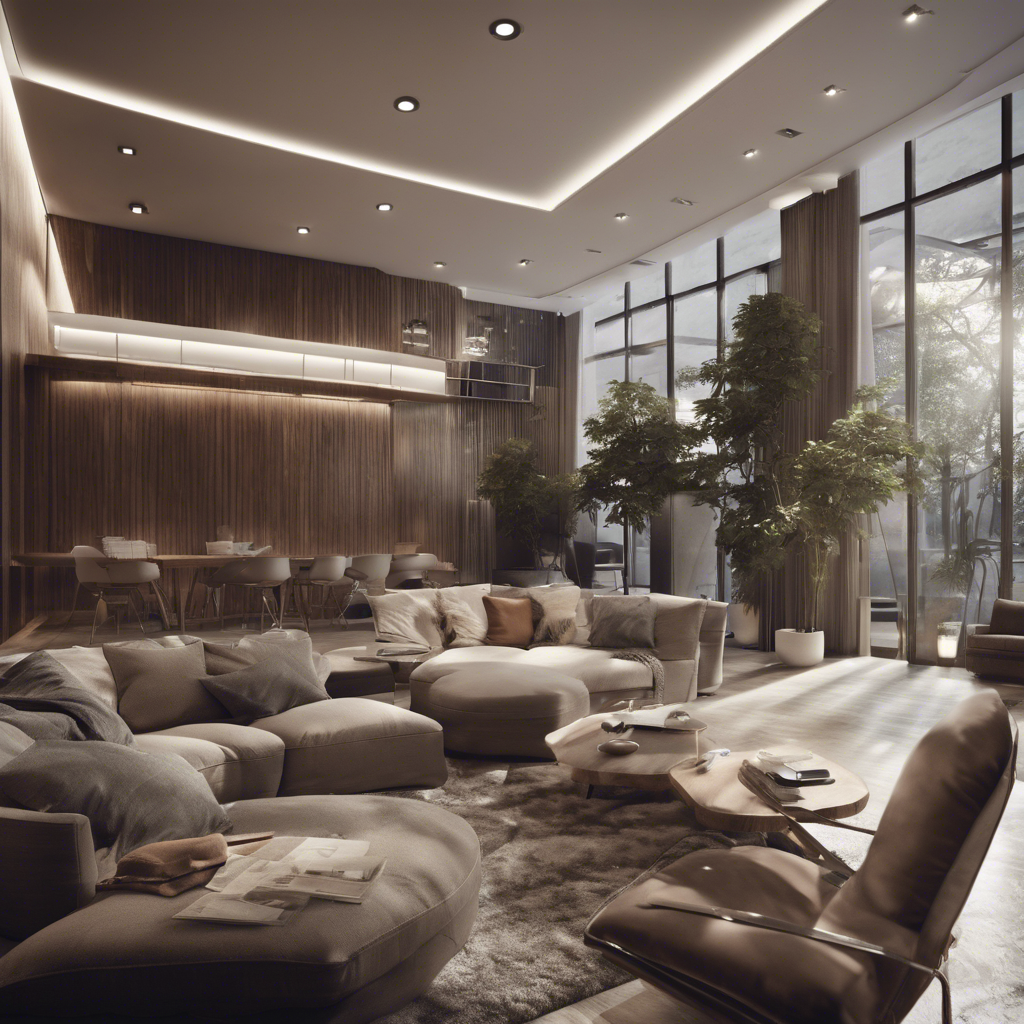
Ambient lighting, also known as general lighting, serves as the foundation of a room's lighting scheme. It offers overall illumination, ensuring that a space is adequately lit without creating harsh shadows. Ceiling-mounted fixtures, chandeliers, and recessed lights are common sources of ambient lighting that establish the baseline brightness of a room.
Task Lighting
Task lighting is designed to provide focused illumination for specific activities. Whether it's reading, cooking, or working, task lights such as desk lamps, under-cabinet lights, and track lighting offer direct and concentrated light to aid in performing tasks efficiently. By placing task lights in designated areas, designers can enhance functionality while adding a layer of visual interest to a space.
Accent Lighting
Accent lighting is all about creating drama and drawing attention to particular features within a room. This type of lighting is used to highlight artworks, architectural elements, or decorative pieces, adding depth and character to a space. Spotlights, wall sconces, and track lighting are popular choices for accentuating key design elements and creating a focal point in a room.
The Light at the End of the Tunnel
In conclusion, lighting holds an indispensable position in the realm of interior design, acting as a catalyst that breathes life into spaces while enhancing functionality and aesthetics. By understanding the intricacies of lighting design and harnessing its transformative power, designers can craft immersive environments that cater to both the physical and emotional needs of occupants. So, the next time you embark on a design project, remember that lighting isn't just about illumination—it's about shaping experiences and creating spaces that resonate with the soul.
Illuminate your design journey with the power of light!


Comments